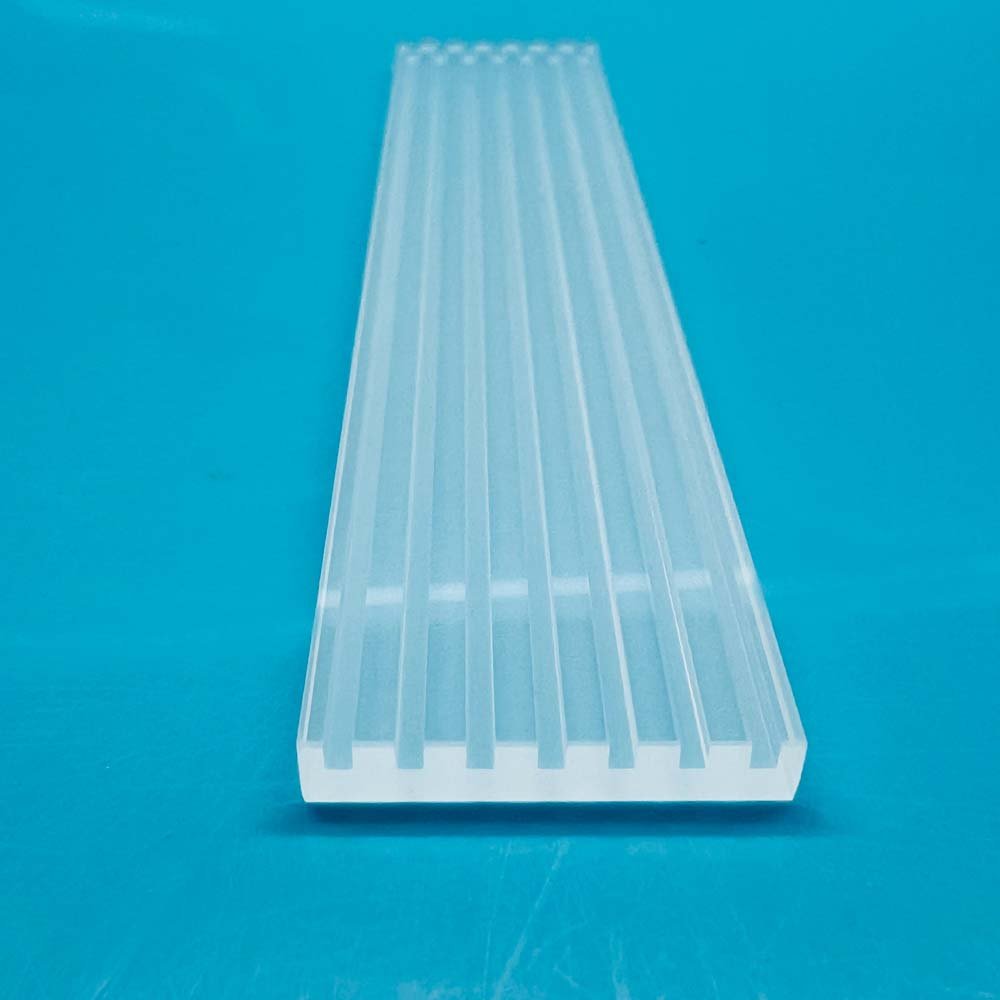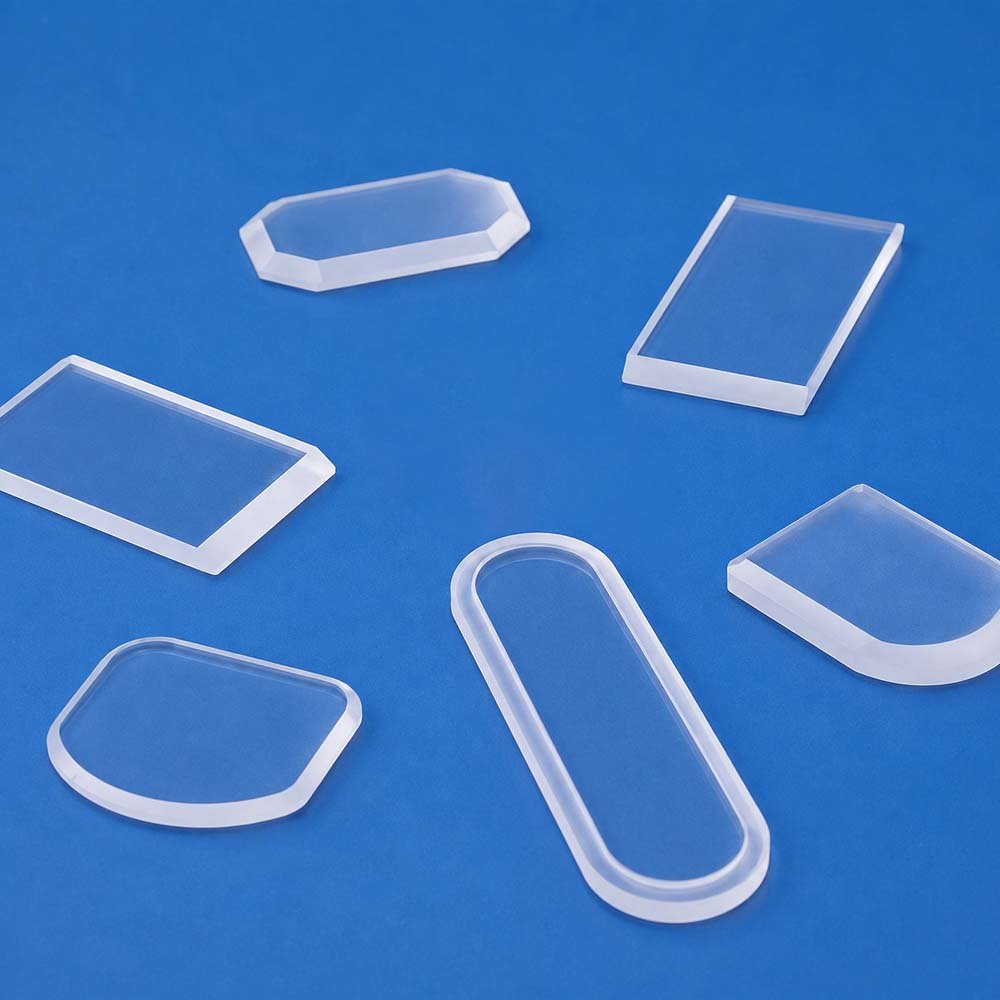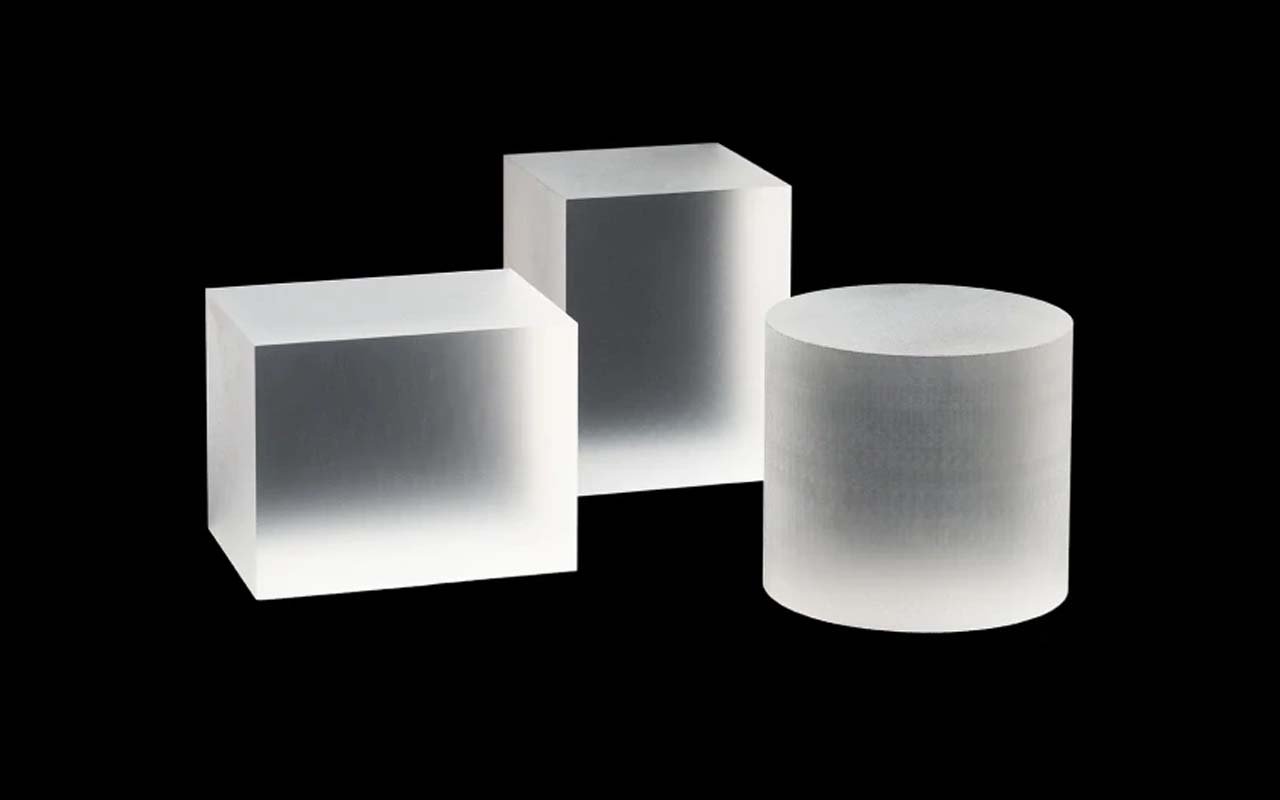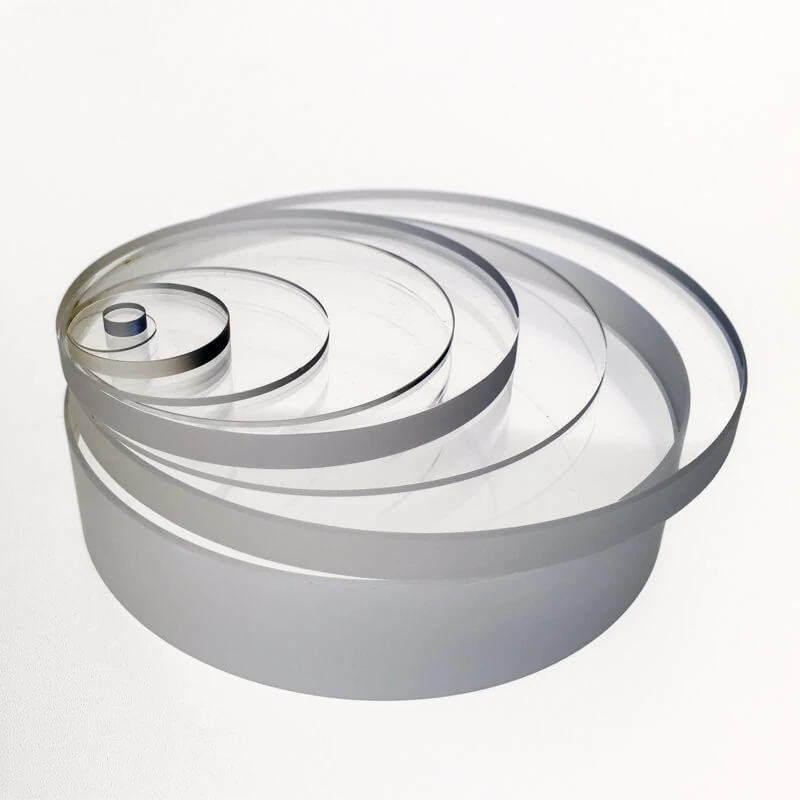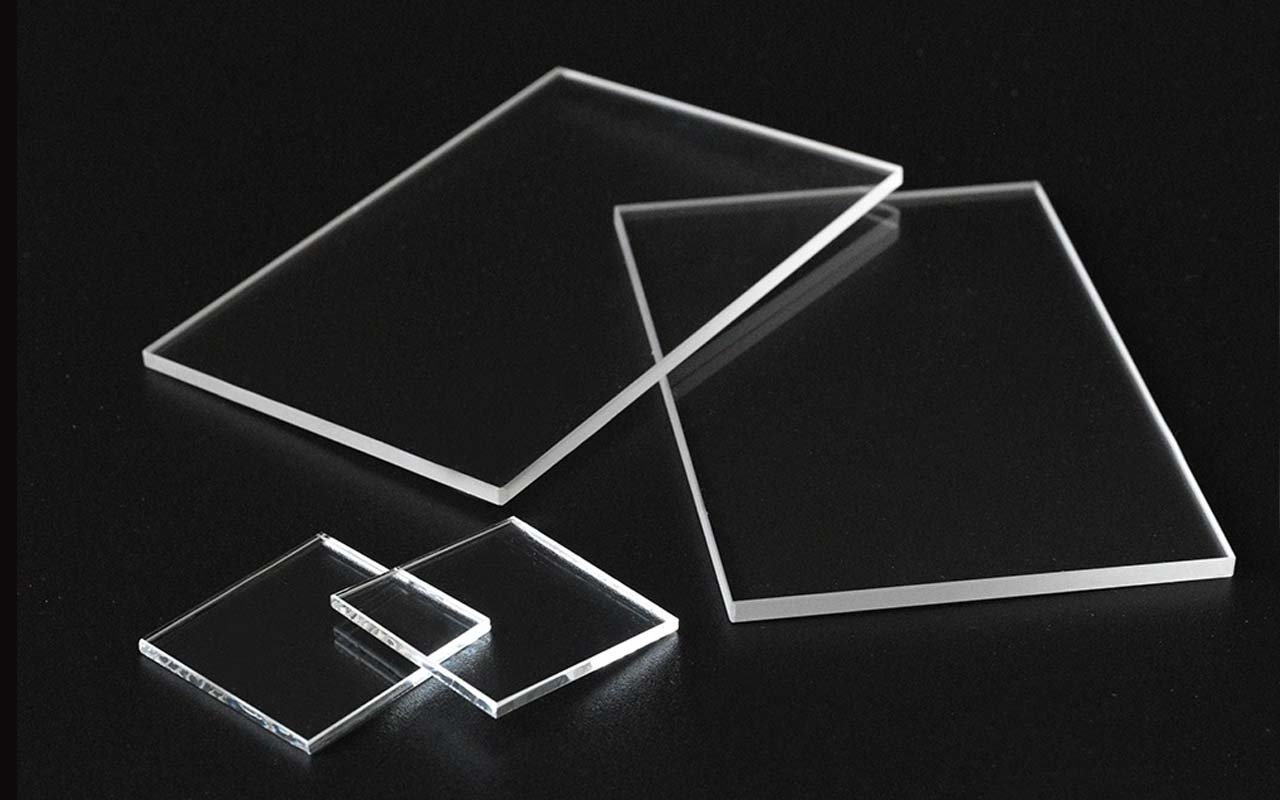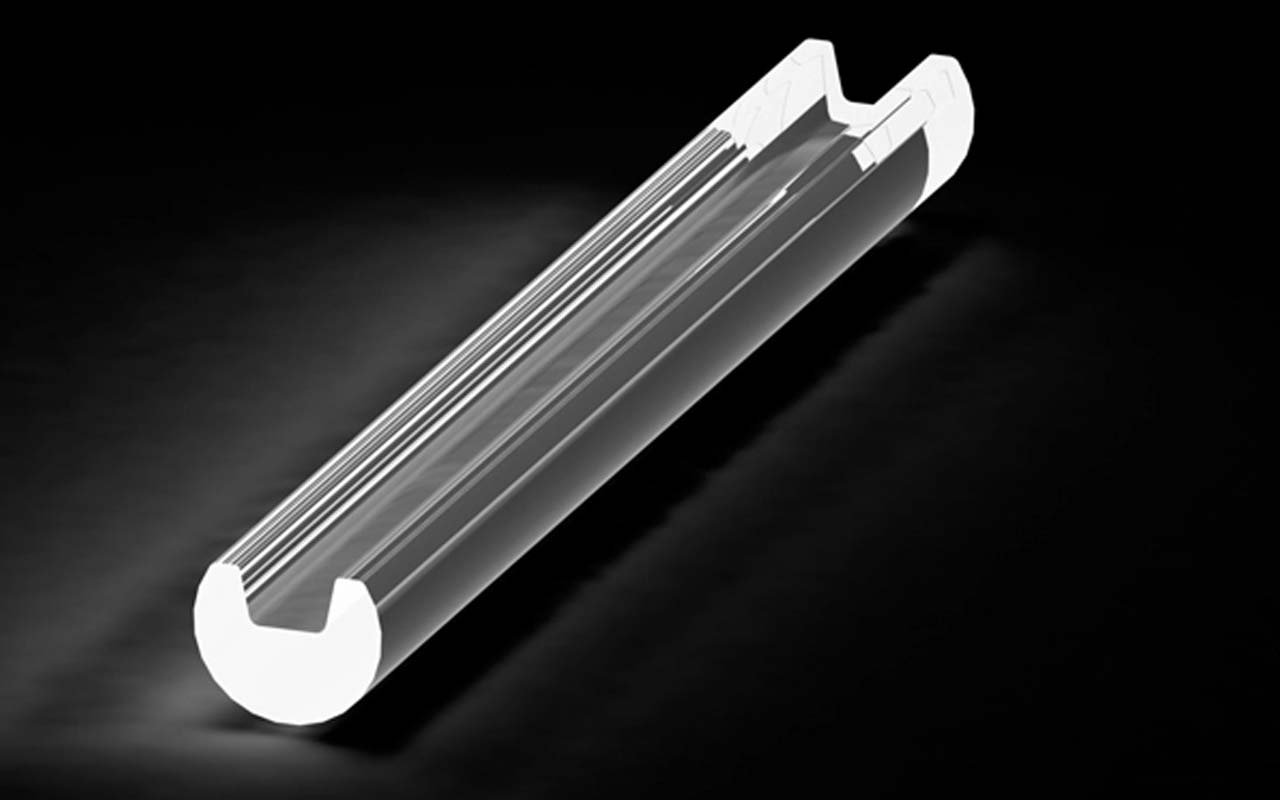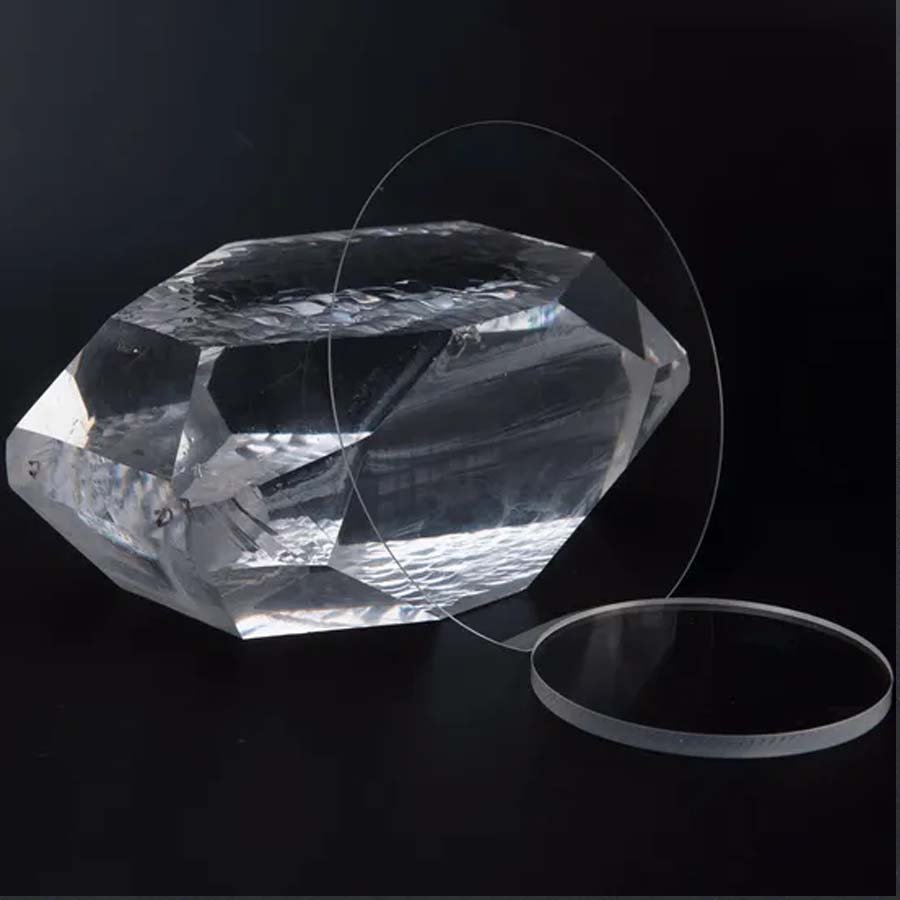
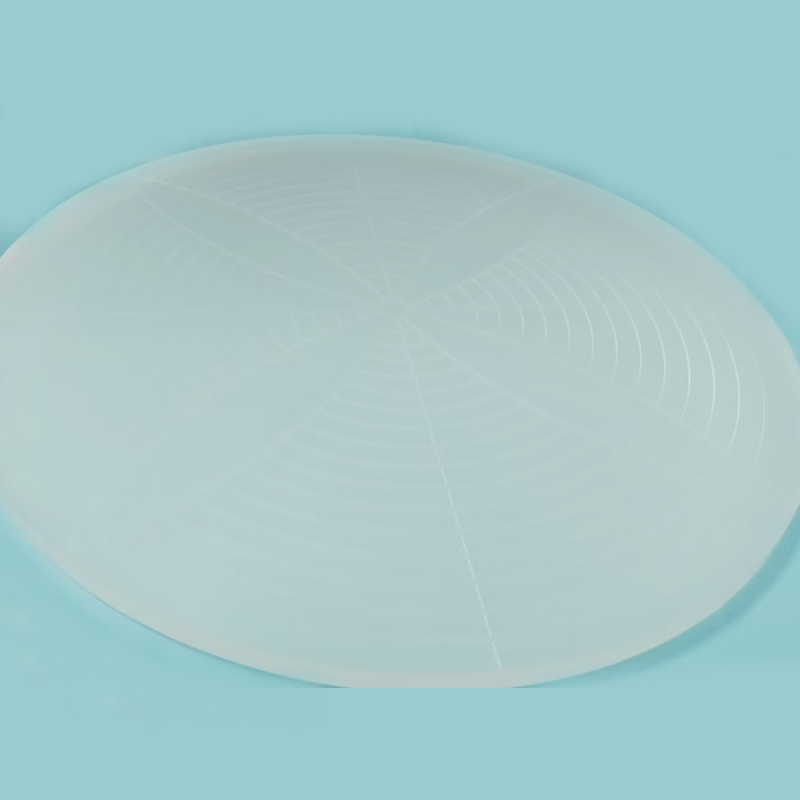
 Custom Frosted & Printed Quartz Plates
Custom Quartz Windows
| Parameter | Available configuration |
|---|---|
| Standard diameter / outline | Ø5–300 mm; square / rectangular outlines by drawing |
| Standard thickness | 0.5–25 mm |
| Standard surface quality / figure | 60/40 scratch-dig; λ/4 at 633 nm |
| Precision optical option | 40/20 · λ/10 at 633 nm; 20/10 surface quality by order |
| Standard parallelism | ≤3 arcmin; clear aperture defined on drawing |
| Large-aperture observation line | Ø100–800 mm; figure λ/10; parallelism 0.02 mm; thickness tolerance ±0.02 mm; catalog surface finish 40/60 |
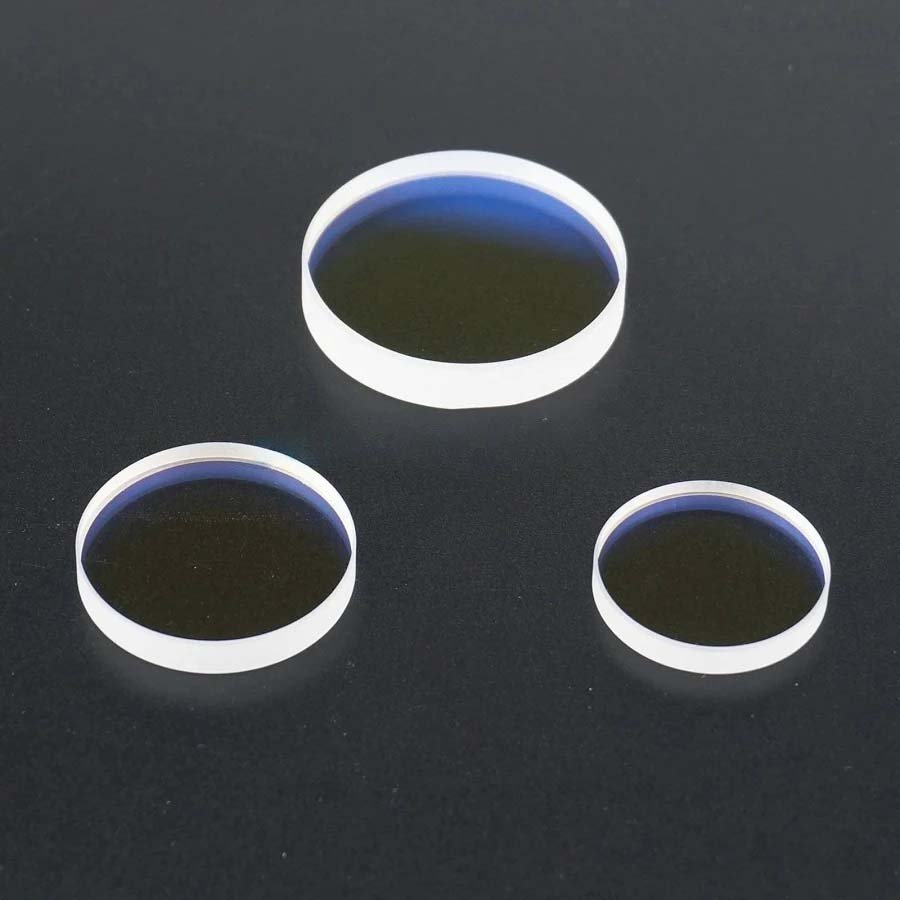
Quartz windows are polished optical interfaces for UV, visible and infrared instruments. Standard optical windows and large-aperture observation windows are quoted as separate series.
Ø5–300 mmStandard Diameter
0.5–25 mmStandard Thickness
60/40Standard Surface
λ/4 @633 nmStandard Figure
λ/10 @633 nmPrecision Figure
Ø100–800 mmLarge Observation Line
Engineering Data
Optical Grades for the Standard Window Series
| Grade | Surface quality | Surface figure | Inspection |
|---|---|---|---|
| Standard | 60/40 | λ/4 | 633 nm over agreed clear aperture |
| Precision / Ultra | 40/20 | λ/10 | 633 nm over agreed clear aperture |
| Enhanced surface option | 20/10 by order | λ/10 by order | Aperture and method agreed on drawing |
Engineering Data
Large-Aperture Observation Windows
A separate Ø100–800 mm observation-window line is available with parallelism 0.02 mm, thickness tolerance ±0.02 mm and surface figure λ/10. The catalog lists surface finish as 40/60; this is an original catalog notation, and the surface evaluation method and acceptance value must be stated on the purchase drawing. It is not used as a scratch-dig grade in the standard optical table. Thickness, reference wavelength and measured aperture are specified for the large-window order.
Engineering Data
Mounting and Optical Acceptance
Define physical diameter, clear aperture, edge bevel, seal land, pressure duty and coating face separately. Surface figure is evaluated over the stated clear aperture; use 633 nm as the standard-series reference unless the drawing specifies another wavelength. Large diameters and the tightest optical options require joint review of thickness, aperture and mounting load.
Engineering Data
Material Selection
Electric-Fused QuartzGrade-specific UV cut-offOH 5–150 ppm; heat treatment can adjust OH. General-purpose continuously drawn stock. Confirm UV boundary by grade datasheet.
Flame-Fused Quartz · JGS2220–2500 nmOH 120–260 ppm; UV-visible optical components.
Synthetic Fused Silica · JGS1185–2500 nmSiO₂ ≥99.999%; OH ≈1000 ppm. Selected for deep-UV transmission; strong OH absorption near 2730 nm.
Vacuum-Fused / Low-OH · JGS3Grade-specific UV–IR / 260–3500 nmVacuum-fused OH <3 ppm; JGS3-class OH ≤10 ppm. Use the lot certificate and transmission curve at the working thickness.
OH content varies by grade and batch; the lot certificate is authoritative. Compare material routes and typical transmission data.
Engineering Data
Material and Temperature Guidelines
Electric-fused / flame-fused quartz: SiO₂ ≥99.99%; synthetic JGS1-grade fused silica: ≥99.999%. Grade and lot certificate govern supplied material.
Transparent quartz: continuous use ≤1100 °C; short-term excursions ≤1200 °C. Opaque / milky quartz: continuous use ≤1000 °C. Load, atmosphere, support span and thermal cycling determine the application limit.
Engineering Data
Frequently Asked Questions
Is λ/4 the best available figure?
λ/4 at 633 nm is the standard-series figure. Precision / Ultra windows use λ/10 at 633 nm with 40/20 surface quality; 20/10 surface quality is an enhanced option specified by order.
What must be stated for λ/10 acceptance?
State the reference wavelength, surface figure or transmitted wavefront, peak-to-valley or RMS metric, measurement aperture, mounting condition and test method.
Product Examples
Product Forms and Finished Components
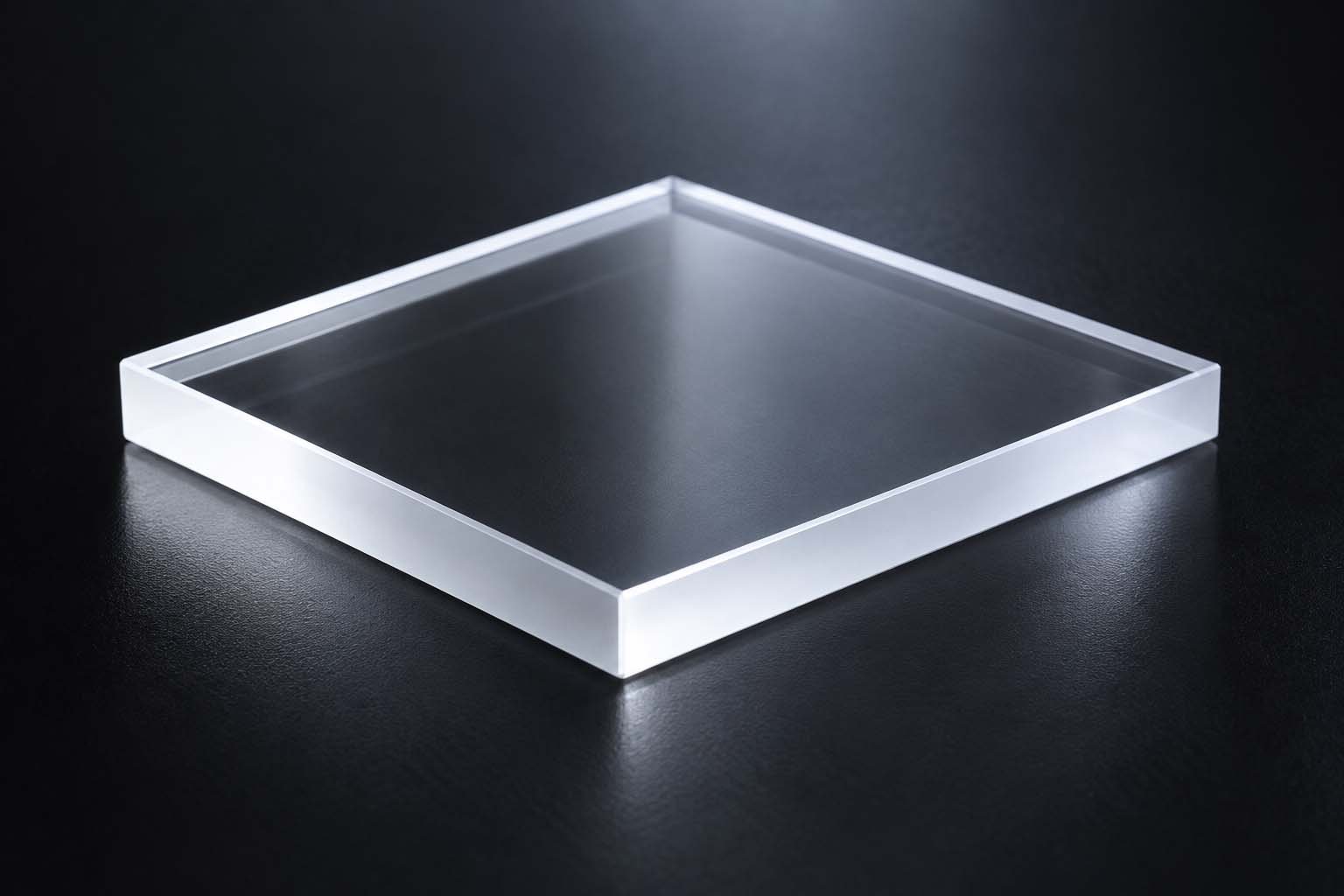
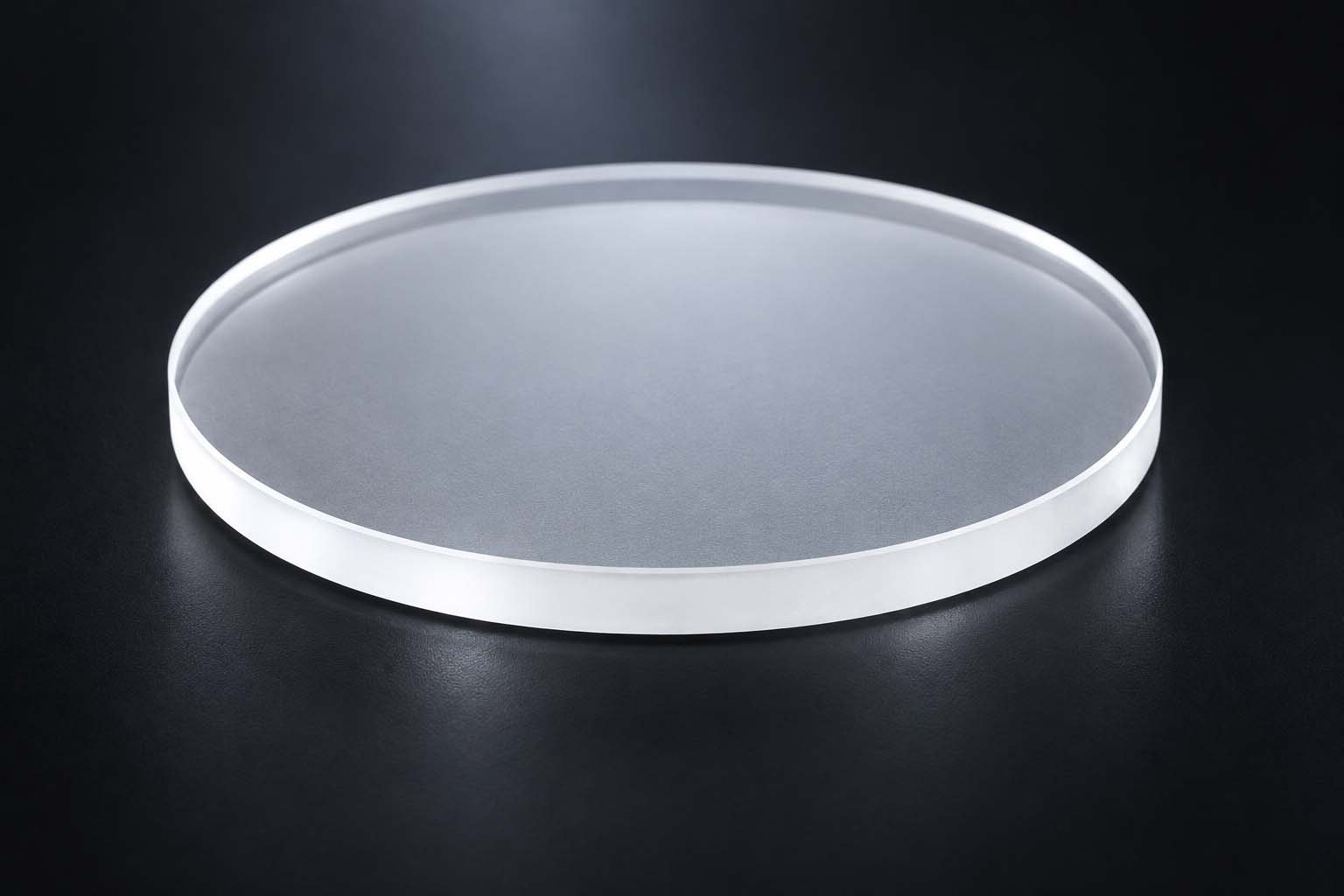
Specify quartz window specificationsSend dimensions, grade, critical tolerances, quantity and operating conditions for a drawing-based quotation.
Request a QuoteCustomize This Product
Enter your dimensions of Custom Quartz Windows — the technical drawing updates instantly, then request a quotation.
Technical Drawing
Drawing redraws live · blue hatched area = cut section · all dimensions in mm
Parameters
Every field is editable — drawing, weight estimate and part code update instantly.
Common Options
pcs
Configuration Summary
Attached to your inquiry automatically when you press “Use This Configuration”.
—