 Custom Quartz Infrared Heaters
Custom Quartz Balls & Spheres
| Parameter | Factory Standard | Manufacturing Limit |
|---|---|---|
| Diameter | Ø2–50 mm | Larger on request |
| Diameter tolerance | ±0.02–0.05 mm | Tighter, confirmed per order |
| Roundness | ≤0.01 mm | Tighter, confirmed per order |
| Surface finish | Ground standard | Polished on request |
| Form | Solid or hollow | — |
| Hole / stem | Available, confirmed per drawing | — |
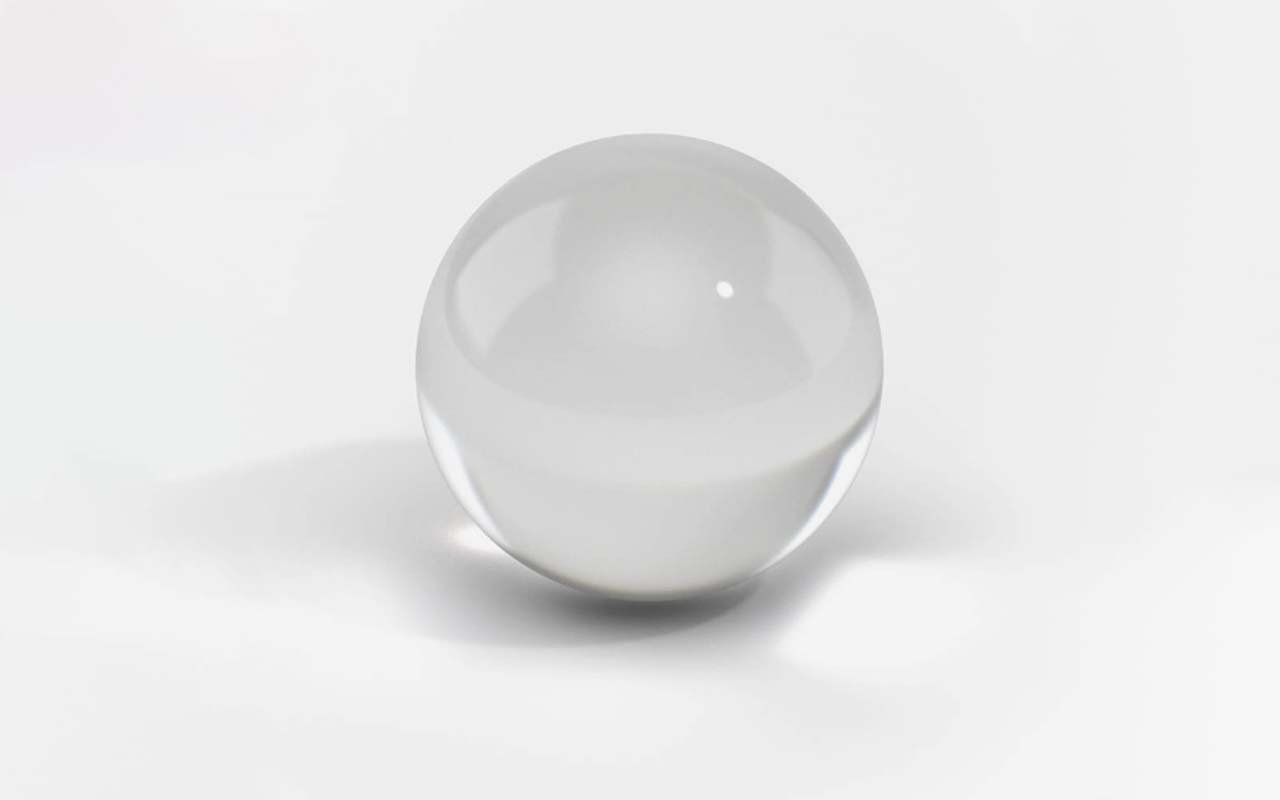
Precision quartz balls and spheres finished to diameter, roundness, and surface finish — solid or hollow, plain or with a stem or hole.
Diameter and diameter tolerance are checked together with roundness — a ball can be correctly sized on average and still fail a roundness spec if it's slightly out-of-round, which matters most for applications where the ball rolls or seats against another precision surface.
Quartz Balls & Spheres Factory Standard & Manufacturing Limit
Solid balls are ground from blank stock; hollow spheres and balls with a through-hole or mounting stem are made by machining or fusing a stem onto a solid or partially-hollow blank. Tell us whether your application needs solid or hollow, and whether a hole or stem is required, since these change the manufacturing route and the features we check in QA.
Diameter, Roundness and Surface Finish
Surface finish is ground as standard, giving a matte but dimensionally accurate surface; polished finish is available where the ball seats against an optical surface or needs minimal friction. Where a stem is welded on (for mounting), the weld point is checked as part of QA along with diameter, roundness, and surface condition.
Ø2–50 mmDiameter Range
≤0.01 mmRoundness Reference
2.2 g/cm³Density Reference
Ø2 / 3Small Series
Ø5 / 10 / 20Common Series
Solid / HollowStructures
Spherical Geometry
Diameter, Roundness and Surface Finish Must Be Quoted Together
| Controlled Feature | Reference Capability / Requirement |
|---|---|
| Diameter | Ø2–50 mm industry-reference range |
| Common Sizes | Ø2, 3, 5, 10 and 20 mm reference series |
| Roundness | ≤0.01 mm-class reference where precision ball geometry is required |
| Material Density | Approximately 2.2 g/cm³ reference for fused quartz |
| Surface | Ground, polished or fire-polished according to function |
| Structure | Solid, hollow or stemmed sphere |
| Hole / Stem | Diameter, position and axis by drawing |
| Inspection | Diameter and roundness method agreed for the selected size and surface |
Reference Diameter Series
Select Surface and Roundness from the Function
| Diameter Group | Reference Sizes | Typical Direction |
|---|---|---|
| Micro | Ø2 / 3 mm | Beads, sensing or small mechanisms |
| Small | Ø5 / 10 mm | Valve, support or laboratory use |
| Medium | Ø20 mm | Handling, sensing or optical experiments |
| Custom | Up to Ø50 mm reference | Solid, hollow, drilled or stemmed |
Available Forms
Configurations Defined by the Process
Solid BallDense quartz sphere with controlled surface
Hollow SphereLightweight shell with wall and opening by drawing
Drilled BallThrough-hole or blind feature referenced to the sphere
Stemmed SphereQuartz stem joined to the spherical body
Applications
Valves, Sensors and Laboratory Mechanisms
Valve ElementsQuartz ball geometry matched to the seat and flow path
Grinding / Mixing MediaHigh-purity spheres selected by diameter and finish
SensorsSolid or hollow elements with controlled mass and surface
Optical ExperimentsPolished spheres for custom research assemblies
Need a quartz sphere with a controlled roundness?Send diameter, grade or roundness requirement, surface finish, solid / hollow structure and any hole or stem.
Open the Product ConfiguratorEngineering Data
Grade-Qualified Material Purity
Electric-fused / flame-fused quartz: SiO₂ ≥99.99%; synthetic JGS1-grade fused silica: ≥99.999%. Grade and lot certificate govern supplied material.
Customize This Product
Enter your dimensions of Custom Quartz Balls & Spheres — the technical drawing updates instantly, then request a quotation.
Technical Drawing
Drawing redraws live · blue hatched area = cut section · all dimensions in mm
Parameters
Every field is editable — drawing, weight estimate and part code update instantly.
Common Options
pcs
Configuration Summary
Attached to your inquiry automatically when you press “Use This Configuration”.
—